


Women On The Frontlines: The Changing Face Of India’s Protection Forces
June 2, 2026
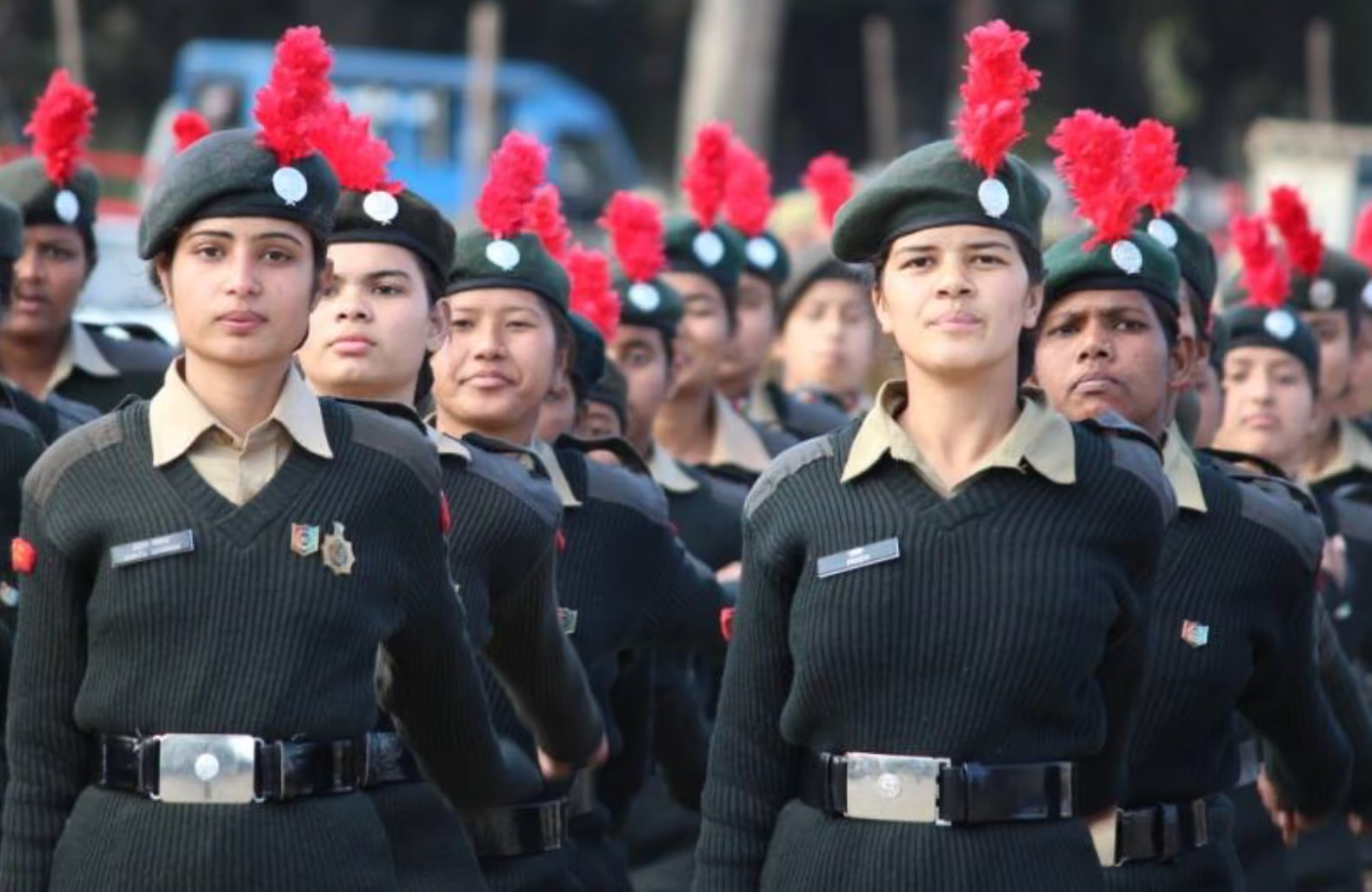
India’s protection services are undergoing a visible transformation as women increasingly step into roles once considered exclusively male. The induction of 318 women among 476 new constables in the Tripura Police this year is emblematic of this shift, signaling not just numerical progress but a broader social change. Historically, women’s participation in policing and the armed forces was symbolic and restricted to “soft duties,” but today they are entering diverse fields including disaster response, paramilitary services, and even combat roles. The opening of the National Defence Academy to women in 2021 marked a watershed moment, enabling them to train alongside men from the start of their military careers.
Women now occupy varied positions across India’s protection forces, from constables and forensic experts to fighter pilots and naval commanders. Their presence has improved access to justice for survivors of domestic violence, trafficking, and sexual assault, while also strengthening community policing and conflict mediation. Recruitment drives in states such as Bihar, Maharashtra, Tamil Nadu, Odisha, and Tripura have actively increased female intake, with some reserving posts for women to ensure gender diversity. Popular culture and media visibility have further normalised the image of women in uniform, inspiring young women to see these careers as pathways to dignity, authority, and social impact.
Despite progress, challenges remain. Women still form a small percentage of India’s police and armed forces, often facing inadequate infrastructure, long hours, and institutional bias. Many continue to shoulder disproportionate domestic responsibilities while navigating sexism and harassment within hierarchical systems. Yet, their resilience is reshaping institutional cultures, with women IPS officers heading metropolitan police units, female commandos participating in anti-terror operations, and women-led battalions patrolling sensitive borders. These achievements not only strengthen India’s protection services but also challenge entrenched gender norms, proving that the face of authority and courage in India is no longer exclusively male.
To read the full story, see here
June 2, 2026
Women On The Frontlines: The Changing Face Of India’s Protection Forces
June 2, 2026
India’s protection services are undergoing a visible transformation as women increasingly step into roles once considered exclusively male. The induction of 318 women among 476 new constables in the Tripura Police this year is emblematic of this shift, signaling not just numerical progress but a broader social change. Historically, women’s participation in policing and the armed forces was symbolic and restricted to “soft duties,” but today they are entering diverse fields including disaster response, paramilitary services, and even combat roles. The opening of the National Defence Academy to women in 2021 marked a watershed moment, enabling them to train alongside men from the start of their military careers.
Women now occupy varied positions across India’s protection forces, from constables and forensic experts to fighter pilots and naval commanders. Their presence has improved access to justice for survivors of domestic violence, trafficking, and sexual assault, while also strengthening community policing and conflict mediation. Recruitment drives in states such as Bihar, Maharashtra, Tamil Nadu, Odisha, and Tripura have actively increased female intake, with some reserving posts for women to ensure gender diversity. Popular culture and media visibility have further normalised the image of women in uniform, inspiring young women to see these careers as pathways to dignity, authority, and social impact.
Despite progress, challenges remain. Women still form a small percentage of India’s police and armed forces, often facing inadequate infrastructure, long hours, and institutional bias. Many continue to shoulder disproportionate domestic responsibilities while navigating sexism and harassment within hierarchical systems. Yet, their resilience is reshaping institutional cultures, with women IPS officers heading metropolitan police units, female commandos participating in anti-terror operations, and women-led battalions patrolling sensitive borders. These achievements not only strengthen India’s protection services but also challenge entrenched gender norms, proving that the face of authority and courage in India is no longer exclusively male.
To read the full story, see here
