Rwandan
Chapter

Women In Security In Rwanda

Calling for women’s inclusion in security sector reform

SecurityWomen Rwanda is part of SecurityWomen, an international NGO promoting the equal inclusion of women in the security sector.  SecurityWomen brings a unique approach to the Women, Peace and Security (WPS) agenda by spotlighting positive female role models in security fields.

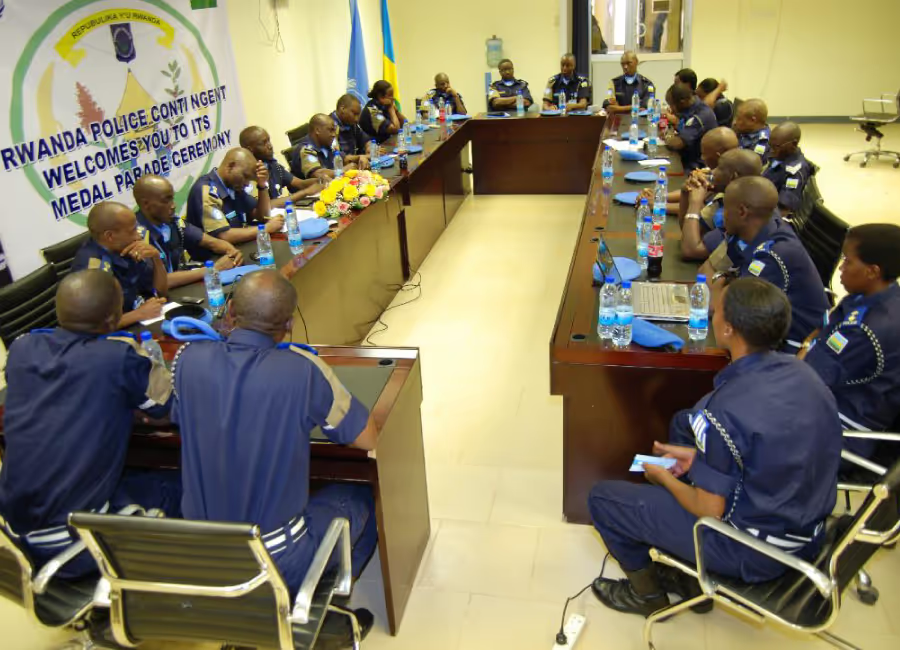
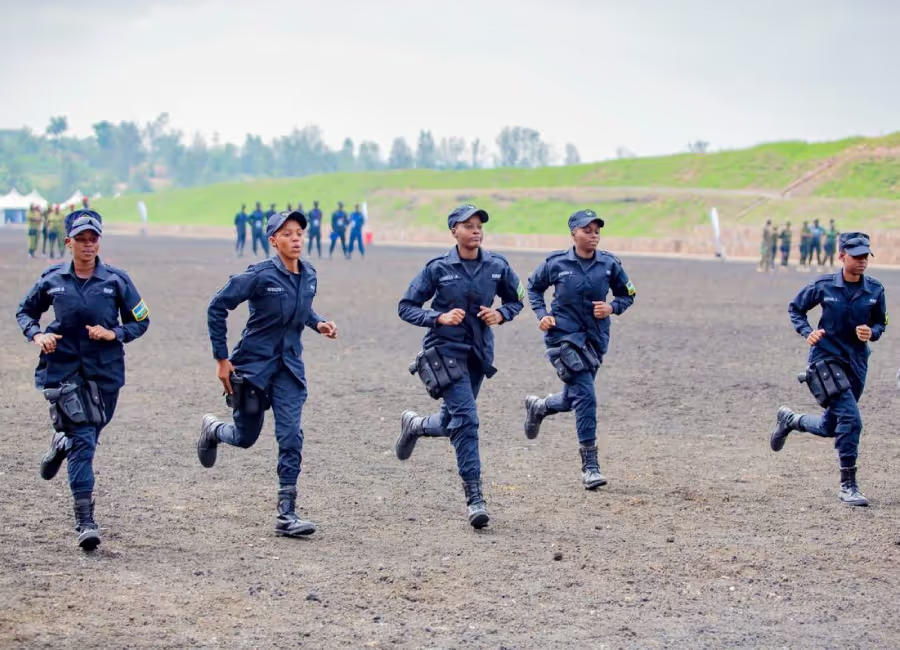
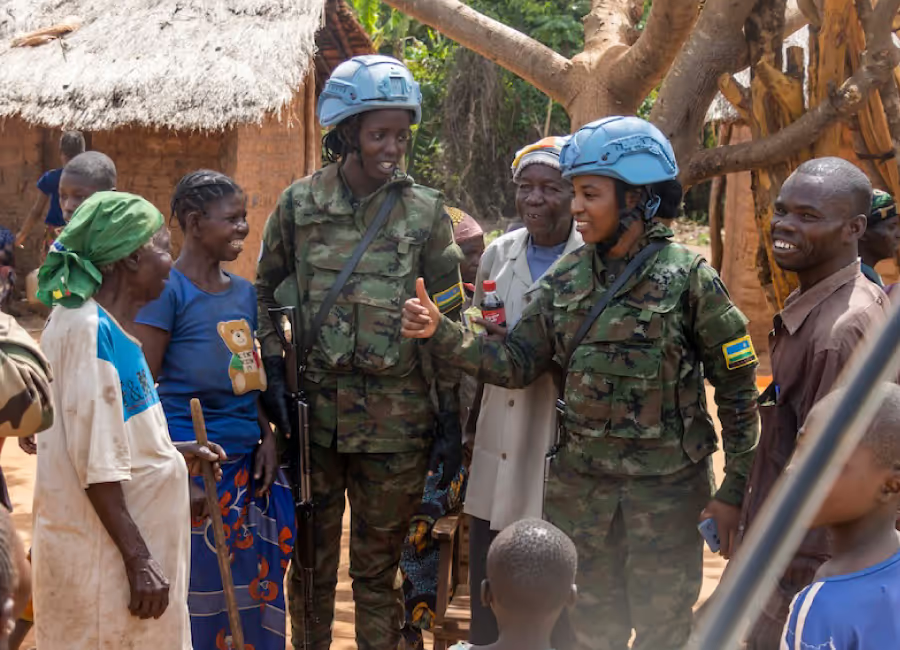
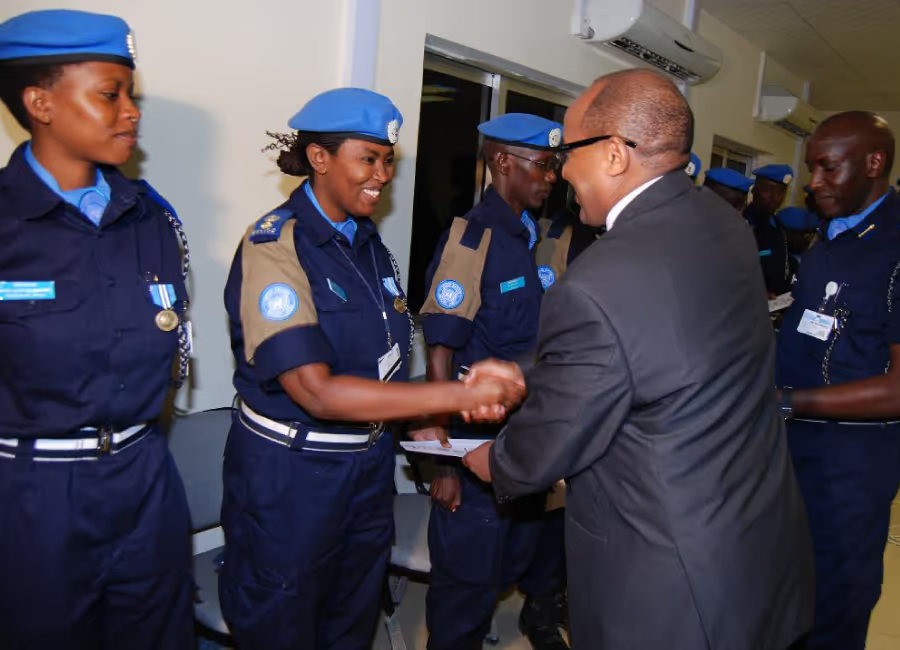
Whether it's women serving in peacekeeping missions in fragile or post-conflict countries, working in inner-city police units, gathering intelligence on human trafficking, or managing IDP/refugee camps, we challenge social norms and break down stereotypes.

Mission Vision values

Rwandan chapter team

Joy Tumwebaze

Joy is the author of 'Rwanda Female Ex-Combatants' Lived Experiences' (2014) and 'Women and Peacebuilding' (2022). Her research interests are focused on gender and peacebuilding, reintegration, women in war, peace and security.
Joy holds a Master's degree in Gender and Development from the University of Rwanda and has served as a military officer, police reform advisor, and peacekeeping trainer, including with UN missions in Sudan and South Sudan.
Fluent in English and intermediate in French, Joy also works as a part-time translator and supports local capacity-building with female ex-combatants across Rwanda.

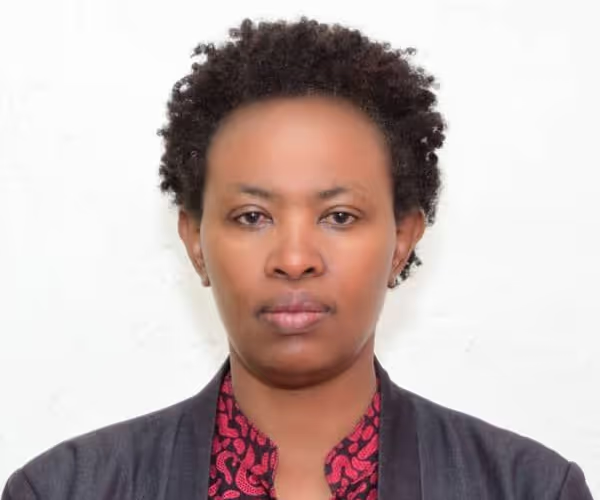
Winnie Eva Gatsinzi

Security Operations Specialist for the Rwanda Energy Group and a part-time research associate. Her expertise covers a broad range of gender and security issues. She has served in the Rwanda National Police for more than nine years, and is helping private security companies embed equality on issues related to gender programming in recruitment processes, and prevention of gender based violence (GBV) and sexual harassment at work. Winnie was privileged to serve as a UN peacekeeper in South Sudan (UNMISS) as part of a police mission component. She worked as a Gender and Child Protection Officer.
Winnie holds a Master’s degree in Gender and Development Studies from the University of Rwanda and LLB degree from the University of Lay Adventists of Kigali.

Rwandan national action plan

Advancing Women’s Participation in Security: The Mission of SecurityWomen Rwanda

Research and Vision
We gather information on countries’ National Action Plans on Women, Peace, and Security (WPS) and highlight available resources on the topic. Through our research, we aim to understand the barriers hindering women’s active participation in security sectors and make recommendations to help eliminate them.
SecurityWomen Rwanda is a new initiative and the first of many SecurityWomen ‘chapters’ to come. This allows us to work locally, leveraging on-the-ground knowledge and expertise to help turn our global vision into a tangible reality.
Gender Gaps in Security in East Africa
In East Africa, the under-representation of women in the security sector has created a significant gap in the diversity of perspectives essential for addressing regional security challenges. Women’s experiences, particularly in conflict and post-conflict settings, offer invaluable insights into security issues that affect entire communities.
Their involvement in decision-making processes is vital for developing comprehensive security strategies and services that meet the needs of all people, especially those most vulnerable to violence and instability.
The Situation in Rwanda
In Rwanda, while women have made significant strides in leadership roles—especially in politics and community-building—their participation in security-related sectors remains low. This lack of representation has resulted in policies and strategies that often overlook the unique security concerns of women and marginalised groups.
Why Women’s Voices Matter
Women’s voices are critical in addressing issues such as gender-based violence, the impact of conflict on families, and the need for more inclusive peacebuilding practices. Increasing women’s representation in the security sector in Rwanda and East Africa is essential for the creation of effective, sustainable security frameworks.
By empowering women and ensuring they have a seat at the table, we can ensure that security policies reflect the needs of all communities, ultimately leading to safer, more peaceful societies.
Our Commitment
Through initiatives like SecurityWomen Rwanda, we aim to amplify women’s voices and contributions, ensuring their insights shape regional and global security policies.

SecurityWomen Rwanda