


Women at the Center of Rwanda’s Peacebuilding and Recovery
January 8, 2026
Women have been central to Rwanda’s peacebuilding trajectory since the 1994 Genocide against the Tutsi, a period marked by extreme violence, including the systematic use of sexual violence as a tool of genocide. In the aftermath, Rwanda faced not only the scale of loss - up to one million people killed in just one hundred days - but also the profound social rupture left behind. Women, who made up the majority of the surviving population, carried the compounded burden of trauma, caregiving, and economic survival. Their experiences underscore how conflict is deeply gendered, while also illustrating why women’s participation is indispensable to rebuilding societies emerging from mass atrocity.
In post-genocide Rwanda, women moved from being perceived primarily as victims to becoming key agents of recovery and reconciliation. They led community-based initiatives to care for orphans, support survivors of sexual violence, and rebuild livelihoods, while also organizing through cooperatives, media associations, and advocacy groups. Women’s movements were instrumental in driving legal and institutional reforms, including changes to inheritance and property laws and the integration of gender equality into the 2003 Constitution. Rwanda’s political landscape reflects these efforts: women now hold a majority in parliament, demonstrating how sustained inclusion can reshape governance and contribute to long-term social and economic stability.
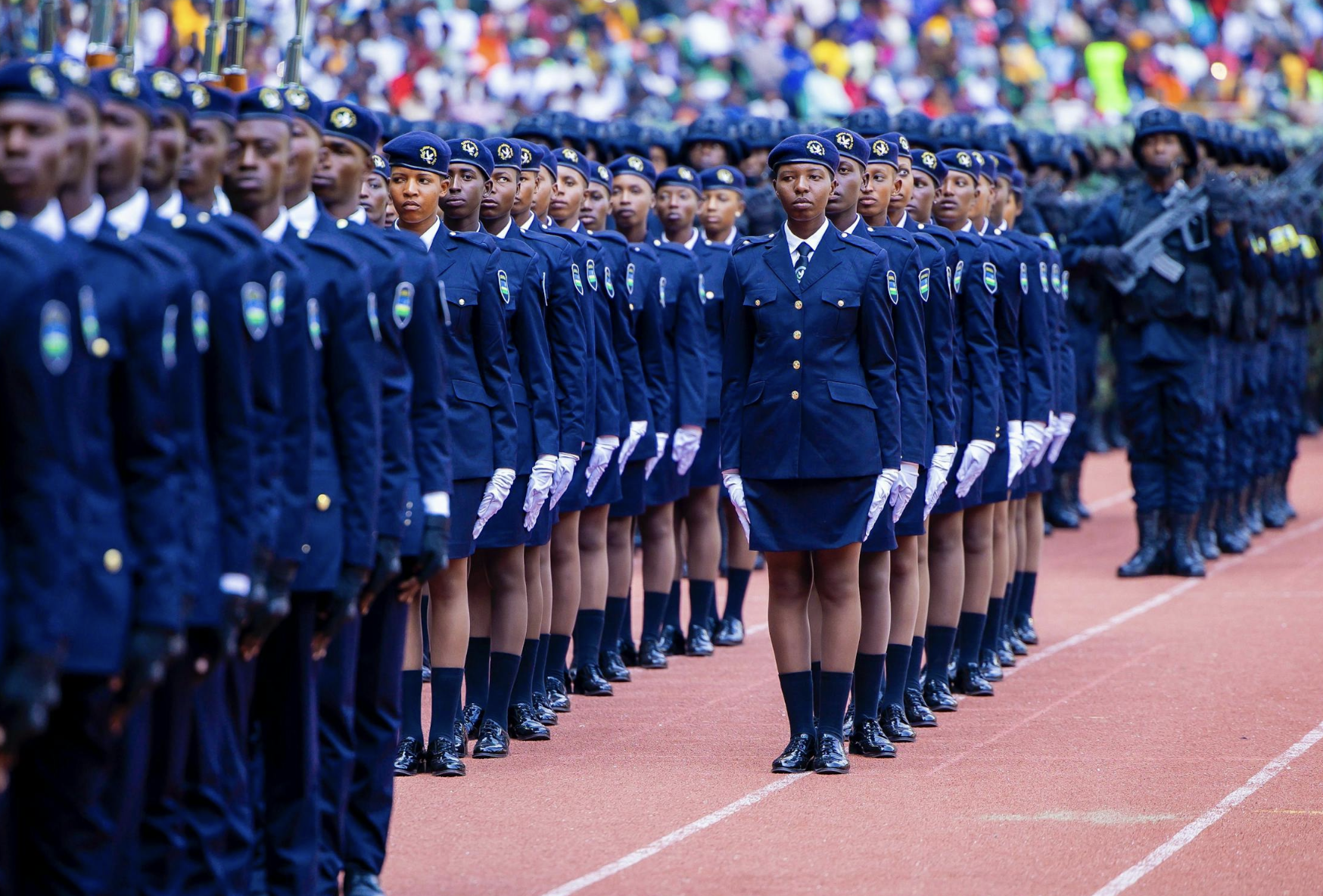
At the same time, Rwanda’s experience offers both lessons and cautions for women, peace, and security work. While the country has developed strong gender equality frameworks and National Action Plans under UNSCR 1325, challenges persist, including reliance on external funding and limited representation of women in sectors such as security and defense. Trauma and unresolved justice issues also continue to affect reconciliation efforts. Nonetheless, Rwanda illustrates a critical lesson for peacebuilding globally: when women are recognized as decision-makers, leaders, and architects of peace from the outset, peacebuilding efforts are more resilient, inclusive, and sustainable.
To read the full story, see here
January 8, 2026
Women at the Center of Rwanda’s Peacebuilding and Recovery
January 8, 2026
Women have been central to Rwanda’s peacebuilding trajectory since the 1994 Genocide against the Tutsi, a period marked by extreme violence, including the systematic use of sexual violence as a tool of genocide. In the aftermath, Rwanda faced not only the scale of loss - up to one million people killed in just one hundred days - but also the profound social rupture left behind. Women, who made up the majority of the surviving population, carried the compounded burden of trauma, caregiving, and economic survival. Their experiences underscore how conflict is deeply gendered, while also illustrating why women’s participation is indispensable to rebuilding societies emerging from mass atrocity.
In post-genocide Rwanda, women moved from being perceived primarily as victims to becoming key agents of recovery and reconciliation. They led community-based initiatives to care for orphans, support survivors of sexual violence, and rebuild livelihoods, while also organizing through cooperatives, media associations, and advocacy groups. Women’s movements were instrumental in driving legal and institutional reforms, including changes to inheritance and property laws and the integration of gender equality into the 2003 Constitution. Rwanda’s political landscape reflects these efforts: women now hold a majority in parliament, demonstrating how sustained inclusion can reshape governance and contribute to long-term social and economic stability.
At the same time, Rwanda’s experience offers both lessons and cautions for women, peace, and security work. While the country has developed strong gender equality frameworks and National Action Plans under UNSCR 1325, challenges persist, including reliance on external funding and limited representation of women in sectors such as security and defense. Trauma and unresolved justice issues also continue to affect reconciliation efforts. Nonetheless, Rwanda illustrates a critical lesson for peacebuilding globally: when women are recognized as decision-makers, leaders, and architects of peace from the outset, peacebuilding efforts are more resilient, inclusive, and sustainable.
To read the full story, see here
