


Peru: Protesters call for police reform to end femicides
December 3, 2024
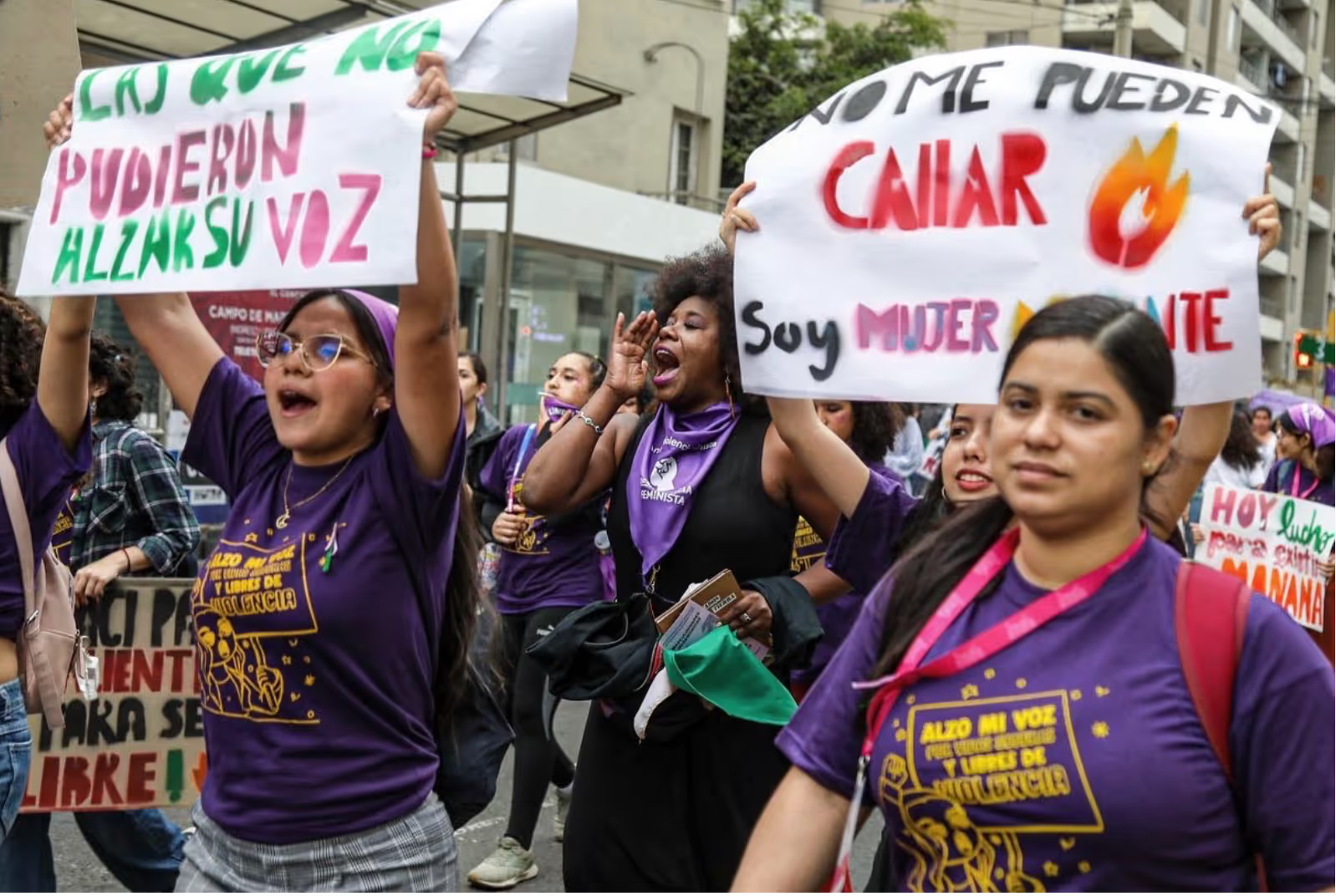
Recent protests in Peru, organised as part of observing the International Day for the Elimination of Violence Against Women on November 25th, spotlighted systemic failures in combating femicides and gender-based violence (GBV) in the country. Thousands protested against GBV in the capital of Lima, also highlighting the role of police as perpetrators and facilitators on November 23. Similar protests took place in Cusco, the city with the second-highest femicide rates in the country, where demonstrators demanded justice for victims. On November 25 itself, a candlelit vigil was held outside the Ancash High Court of Justice in Huaraz for victims of GBV.
These protests follow a spate of violent femicides in the country. For instance, the brutal murder of Sheyla Cóndor by a police officer, which epitomized institutional negligence and complicity. Activists emphasise that police inaction, including dismissing early reports of Cóndor’s disappearance, reflects entrenched patriarchal biases within law enforcement.
While only 1% of GBV cases result in convictions, 132 femicides were reported between January and October this year. Activists call for structural reforms to combat police complicity and prioritize victim protection. The Peruvian justice system has also been accused of perpetuating cycles of violence by protecting perpetrators rather than holding them accountable. Authorities have also been observed to neglect prevention efforts, underfund support services, and fail to dismantle patriarchal systems which enable violence. Calls for change include better training for law enforcement to recognize and respond to GBV and ensuring accountability for failures to act.
Often, police themselves perpetrate violence, with several officers implicated in GBV and femicides. This has eroded public trust, with survivors unwilling to report crimes due to fear of victim-blaming or retaliation. Activists continue to demand increased transparency and community oversight of law enforcement to rebuild trust and ensure justice for victims in the country.
SecurityWomen advocates for increasing the number of women in policing to work towards achieving some of these necessary reforms. Increasing the number of women in policing stands to enhance victim trust and support, improve GBV investigations with more diverse teams and insights, promote gender-sensitive practices, challenge patriarchal norms, ensure better representation of community needs, foster accountability, and strengthen collaborations with organizations addressing GBV and femicide.
To learn more, see here
December 3, 2024
Peru: Protesters call for police reform to end femicides
December 3, 2024
Recent protests in Peru, organised as part of observing the International Day for the Elimination of Violence Against Women on November 25th, spotlighted systemic failures in combating femicides and gender-based violence (GBV) in the country. Thousands protested against GBV in the capital of Lima, also highlighting the role of police as perpetrators and facilitators on November 23. Similar protests took place in Cusco, the city with the second-highest femicide rates in the country, where demonstrators demanded justice for victims. On November 25 itself, a candlelit vigil was held outside the Ancash High Court of Justice in Huaraz for victims of GBV.
These protests follow a spate of violent femicides in the country. For instance, the brutal murder of Sheyla Cóndor by a police officer, which epitomized institutional negligence and complicity. Activists emphasise that police inaction, including dismissing early reports of Cóndor’s disappearance, reflects entrenched patriarchal biases within law enforcement.
While only 1% of GBV cases result in convictions, 132 femicides were reported between January and October this year. Activists call for structural reforms to combat police complicity and prioritize victim protection. The Peruvian justice system has also been accused of perpetuating cycles of violence by protecting perpetrators rather than holding them accountable. Authorities have also been observed to neglect prevention efforts, underfund support services, and fail to dismantle patriarchal systems which enable violence. Calls for change include better training for law enforcement to recognize and respond to GBV and ensuring accountability for failures to act.
Often, police themselves perpetrate violence, with several officers implicated in GBV and femicides. This has eroded public trust, with survivors unwilling to report crimes due to fear of victim-blaming or retaliation. Activists continue to demand increased transparency and community oversight of law enforcement to rebuild trust and ensure justice for victims in the country.
SecurityWomen advocates for increasing the number of women in policing to work towards achieving some of these necessary reforms. Increasing the number of women in policing stands to enhance victim trust and support, improve GBV investigations with more diverse teams and insights, promote gender-sensitive practices, challenge patriarchal norms, ensure better representation of community needs, foster accountability, and strengthen collaborations with organizations addressing GBV and femicide.
To learn more, see here
