


Africa Recommends Women’s Policing Inclusion in UN Security Strategy
February 12, 2026
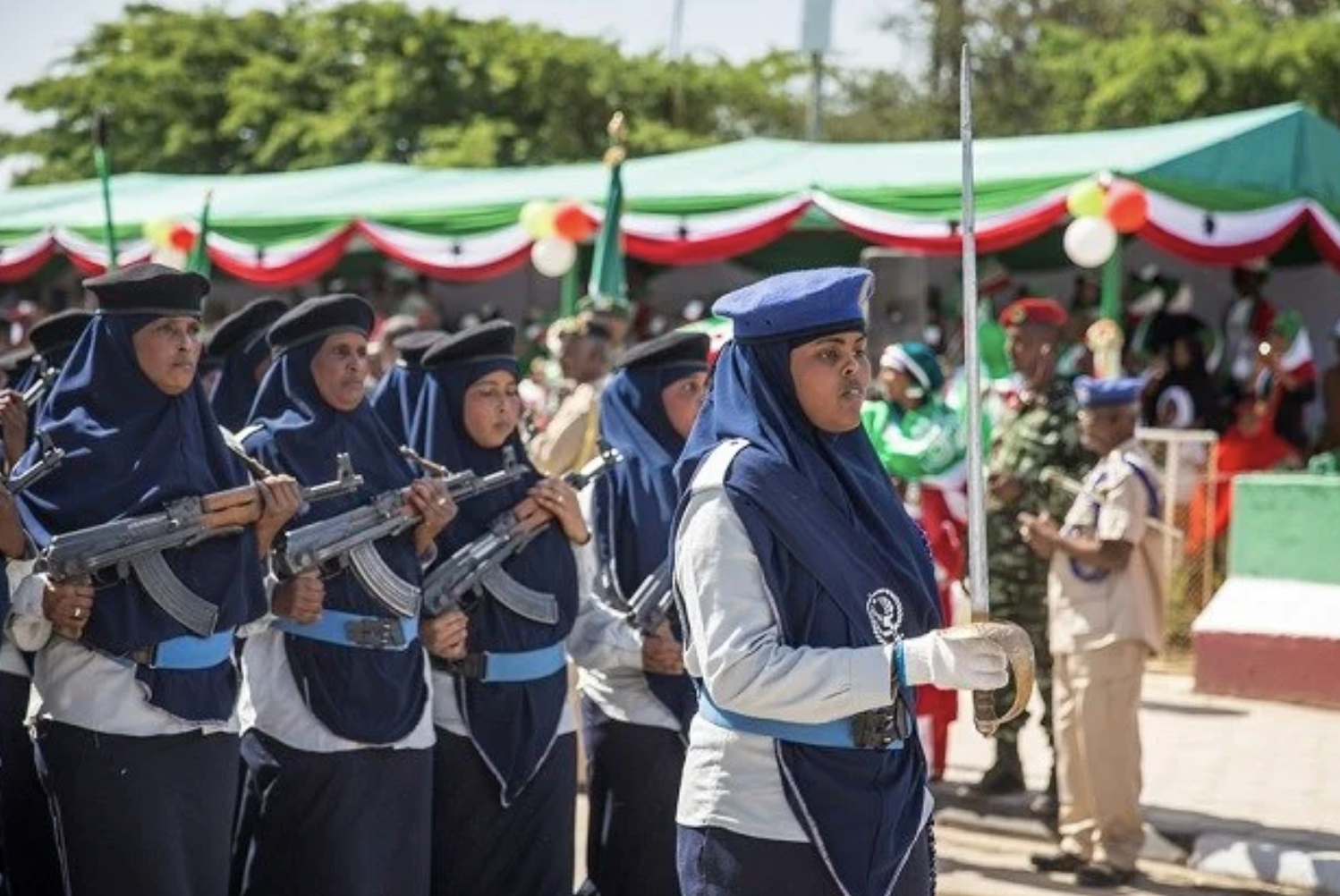
The African Union’s A3 members on the UN Security Council - Democratic Republic of the Congo, Somalia, and Liberia - have placed women’s policing at the center of their vision for more effective peacekeeping. In a joint position delivered by Liberia’s Permanent Representative, Amb. Lewis G. Brown, the bloc argued that women police officers are not a symbolic addition to missions but an operational imperative. Drawing on Africa’s extensive experience hosting and contributing to UN Police (UNPOL) operations, the A3 underscored that women officers expand access to communities, enhance situational awareness, and foster trust in fragile and conflict-affected settings.
The A3’s call reframes women’s inclusion in security institutions as a matter of mission performance rather than representation. Women police officers often serve as critical interlocutors in communities where cultural norms restrict engagement with male officers, particularly in cases involving sexual and gender-based violence. Their presence can improve intelligence-gathering, reduce stigma for survivors seeking assistance, and strengthen the legitimacy of both UN and national police services. By advocating for greater deployment, leadership opportunities, and retention of women officers, the A3 is advancing a model of policing that integrates gender-responsive approaches into the core architecture of peace operations.
At a strategic level, the A3 linked women’s policing to broader principles of partnership, empowerment, and sovereignty. They called for stronger alignment between UNPOL and African-led frameworks such as the AU Peace and Security Architecture and the Silencing the Guns initiative, emphasising that sustainable peace depends on nationally owned, professional police institutions. For the A3, success is measured not by the scale of international presence but by the durability and legitimacy of domestic security services - institutions in which women must play a central role. In this vision, strengthening women’s leadership in policing is inseparable from building accountable, community-oriented security sectors capable of sustaining peace long after UN missions conclude.
To read the full story, see here
February 12, 2026
Africa Recommends Women’s Policing Inclusion in UN Security Strategy
February 12, 2026
The African Union’s A3 members on the UN Security Council - Democratic Republic of the Congo, Somalia, and Liberia - have placed women’s policing at the center of their vision for more effective peacekeeping. In a joint position delivered by Liberia’s Permanent Representative, Amb. Lewis G. Brown, the bloc argued that women police officers are not a symbolic addition to missions but an operational imperative. Drawing on Africa’s extensive experience hosting and contributing to UN Police (UNPOL) operations, the A3 underscored that women officers expand access to communities, enhance situational awareness, and foster trust in fragile and conflict-affected settings.
The A3’s call reframes women’s inclusion in security institutions as a matter of mission performance rather than representation. Women police officers often serve as critical interlocutors in communities where cultural norms restrict engagement with male officers, particularly in cases involving sexual and gender-based violence. Their presence can improve intelligence-gathering, reduce stigma for survivors seeking assistance, and strengthen the legitimacy of both UN and national police services. By advocating for greater deployment, leadership opportunities, and retention of women officers, the A3 is advancing a model of policing that integrates gender-responsive approaches into the core architecture of peace operations.
At a strategic level, the A3 linked women’s policing to broader principles of partnership, empowerment, and sovereignty. They called for stronger alignment between UNPOL and African-led frameworks such as the AU Peace and Security Architecture and the Silencing the Guns initiative, emphasising that sustainable peace depends on nationally owned, professional police institutions. For the A3, success is measured not by the scale of international presence but by the durability and legitimacy of domestic security services - institutions in which women must play a central role. In this vision, strengthening women’s leadership in policing is inseparable from building accountable, community-oriented security sectors capable of sustaining peace long after UN missions conclude.
To read the full story, see here
