


International Women’s Day: Why Women Peacekeepers Strengthen Protection and Trust
February 27, 2026
Part of our International Women’s Day series on women, peace and security.
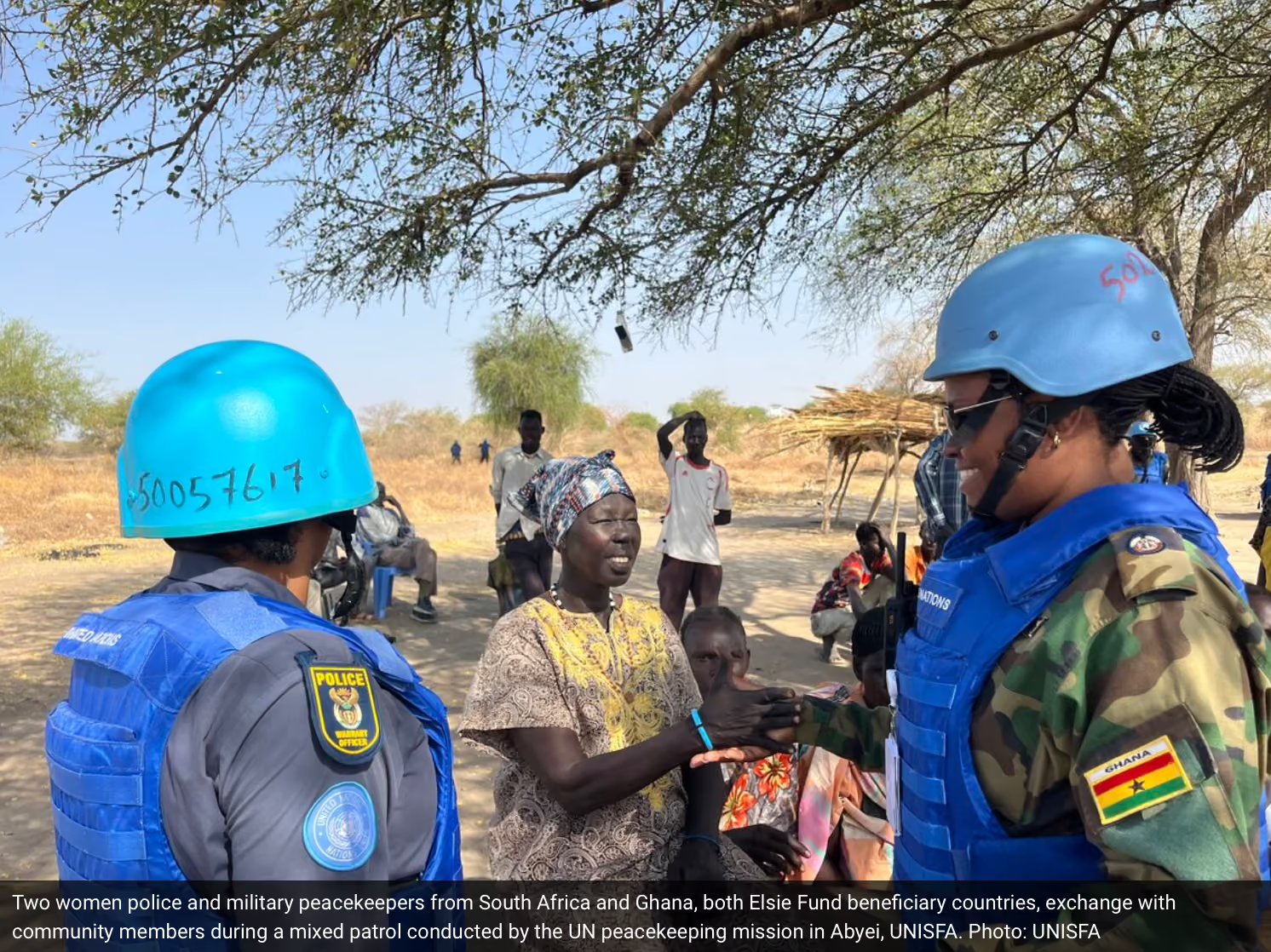
International Women’s Day highlights the importance of representation within peace operations themselves. Women peacekeepers enhance operational effectiveness by expanding access to local populations, particularly women who may be reluctant to engage with male officers. Evidence from multiple missions shows that mixed-gender patrols increase reporting of sexual violence and improve intelligence gathering on protection risks. Diverse teams are better equipped to identify threats before they escalate.
In 2025, Major Swathi of India received the United Nations Military Gender Advocate of the Year Award from Secretary-General António Guterres for her work in Malakal. Through the initiative “Equal Partners, Lasting Peace,” she implemented regular mixed patrols that enabled women to report concerns related to early marriage and conflict-related sexual violence. Similar approaches in the Democratic Republic of the Congo, the Central African Republic and Abyei have helped adapt patrol routes based on mapped risks, allowing women to safely carry out daily activities such as collecting firewood.
Yet structural barriers persist. Women remain underrepresented in national military and police contingents due to discriminatory policies, cultural bias and inadequate facilities. The Elsie Initiative Fund addresses these obstacles by supporting troop- and police-contributing countries with targeted reforms, from recruitment strategies to field infrastructure improvements. International Women’s Day underscores that increasing women’s participation in peacekeeping is not symbolic — it directly enhances protection outcomes and strengthens mission impact.
To read the full story, see here
February 27, 2026
International Women’s Day: Why Women Peacekeepers Strengthen Protection and Trust
February 27, 2026
Part of our International Women’s Day series on women, peace and security.
International Women’s Day highlights the importance of representation within peace operations themselves. Women peacekeepers enhance operational effectiveness by expanding access to local populations, particularly women who may be reluctant to engage with male officers. Evidence from multiple missions shows that mixed-gender patrols increase reporting of sexual violence and improve intelligence gathering on protection risks. Diverse teams are better equipped to identify threats before they escalate.
In 2025, Major Swathi of India received the United Nations Military Gender Advocate of the Year Award from Secretary-General António Guterres for her work in Malakal. Through the initiative “Equal Partners, Lasting Peace,” she implemented regular mixed patrols that enabled women to report concerns related to early marriage and conflict-related sexual violence. Similar approaches in the Democratic Republic of the Congo, the Central African Republic and Abyei have helped adapt patrol routes based on mapped risks, allowing women to safely carry out daily activities such as collecting firewood.
Yet structural barriers persist. Women remain underrepresented in national military and police contingents due to discriminatory policies, cultural bias and inadequate facilities. The Elsie Initiative Fund addresses these obstacles by supporting troop- and police-contributing countries with targeted reforms, from recruitment strategies to field infrastructure improvements. International Women’s Day underscores that increasing women’s participation in peacekeeping is not symbolic — it directly enhances protection outcomes and strengthens mission impact.
To read the full story, see here
