


Women, Peace, and Security Under Pressure: Global Lessons for the United States
September 22, 2026
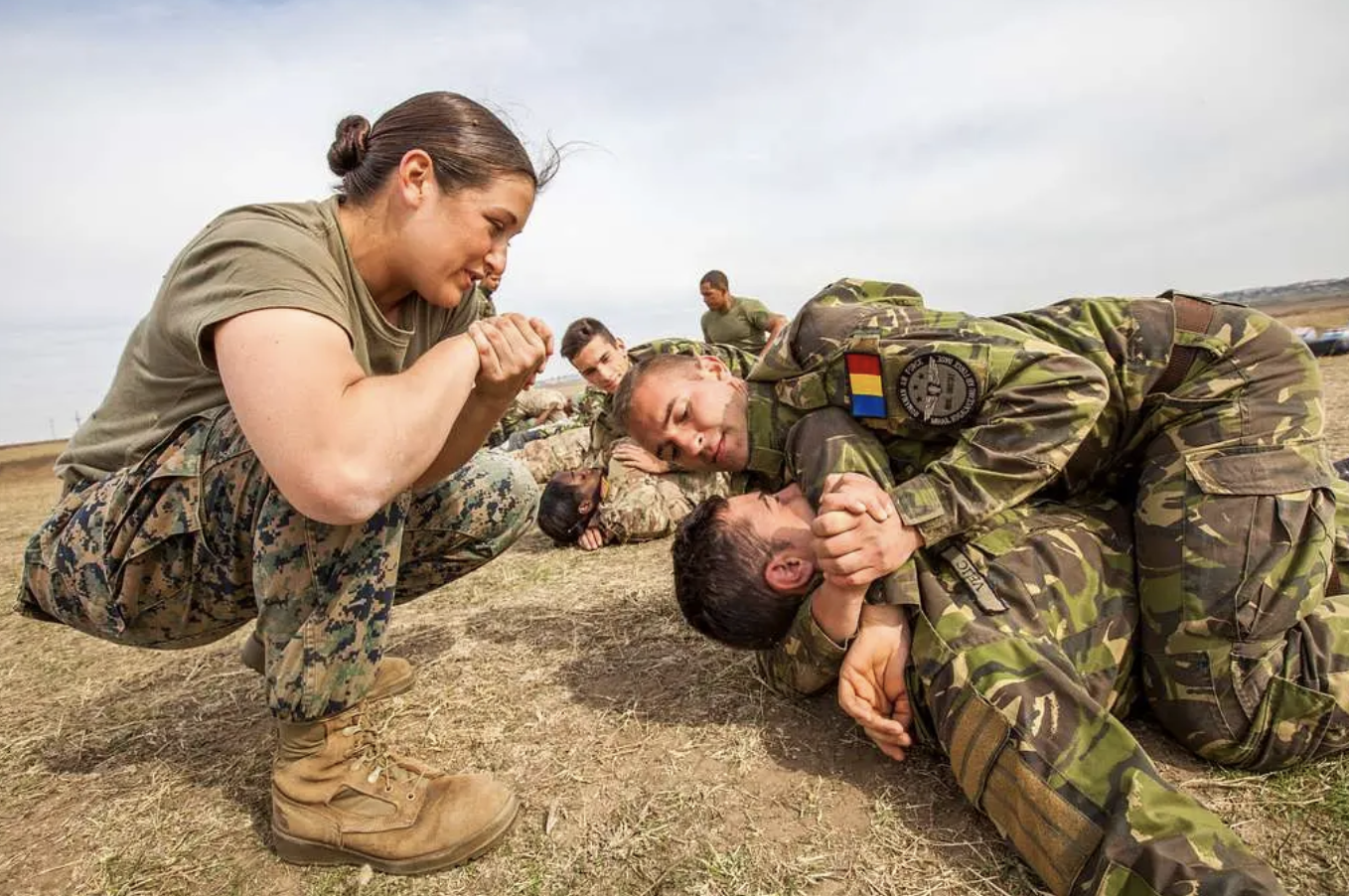
As NATO and its partners navigate an increasingly volatile global security environment, there is growing recognition that women's leadership and participation are essential to effective peace and security efforts. From Ukraine's defence against Russian aggression to resilience-building initiatives across NATO's eastern flank, women are playing critical roles as military personnel, policymakers, peacebuilders and community leaders. Yet these contributions are unfolding at a time when the Women, Peace and Security (WPS) agenda faces mounting pressure from political polarization, democratic backsliding and challenges to gender equality, raising concerns about the future of inclusive security frameworks.
The experiences of both NATO member states and the African Union underscore the strategic importance of investing in women’s meaningful participation. The African Union has emerged as a global leader in advancing the WPS agenda through accountability mechanisms, support for women-led civil society organizations and the appointment of a Special Envoy on Women, Peace and Security. Across Africa, women have been at the forefront of conflict prevention, mediation and community resilience efforts, demonstrating that sustainable peace is strengthened when local women are empowered to lead. These lessons resonate strongly within the Euro-Atlantic security space, where experts increasingly argue that inclusive approaches enhance operational effectiveness, strengthen democratic institutions and improve responses to emerging threats.
As security challenges continue to evolve, there is a growing call for NATO, the African Union and their international partners to move beyond symbolic representation and ensure women are fully integrated into decision-making at every level. This includes supporting women in defence and security institutions, investing in grassroots peacebuilders, countering gendered disinformation and creating pathways for the next generation of women leaders. The message emerging from both regions is clear: women are not simply affected by conflict, they are essential actors in preventing it, responding to it and building lasting peace. Strengthening the Women, Peace and Security agenda is therefore not only a matter of equality, but a strategic imperative for more resilient, effective and secure societies.
To read the full story, see here
September 22, 2026
Women, Peace, and Security Under Pressure: Global Lessons for the United States
September 22, 2026
As NATO and its partners navigate an increasingly volatile global security environment, there is growing recognition that women's leadership and participation are essential to effective peace and security efforts. From Ukraine's defence against Russian aggression to resilience-building initiatives across NATO's eastern flank, women are playing critical roles as military personnel, policymakers, peacebuilders and community leaders. Yet these contributions are unfolding at a time when the Women, Peace and Security (WPS) agenda faces mounting pressure from political polarization, democratic backsliding and challenges to gender equality, raising concerns about the future of inclusive security frameworks.
The experiences of both NATO member states and the African Union underscore the strategic importance of investing in women’s meaningful participation. The African Union has emerged as a global leader in advancing the WPS agenda through accountability mechanisms, support for women-led civil society organizations and the appointment of a Special Envoy on Women, Peace and Security. Across Africa, women have been at the forefront of conflict prevention, mediation and community resilience efforts, demonstrating that sustainable peace is strengthened when local women are empowered to lead. These lessons resonate strongly within the Euro-Atlantic security space, where experts increasingly argue that inclusive approaches enhance operational effectiveness, strengthen democratic institutions and improve responses to emerging threats.
As security challenges continue to evolve, there is a growing call for NATO, the African Union and their international partners to move beyond symbolic representation and ensure women are fully integrated into decision-making at every level. This includes supporting women in defence and security institutions, investing in grassroots peacebuilders, countering gendered disinformation and creating pathways for the next generation of women leaders. The message emerging from both regions is clear: women are not simply affected by conflict, they are essential actors in preventing it, responding to it and building lasting peace. Strengthening the Women, Peace and Security agenda is therefore not only a matter of equality, but a strategic imperative for more resilient, effective and secure societies.
To read the full story, see here
