


The Cost of Excluding Women Combatants From Demobilization Is High
September 1, 2026
As conflicts around the world continue to evolve, experts are calling for a fundamental rethink of disarmament, demobilization and reintegration (DDR) programs, with a stronger focus on the experiences and contributions of women. Traditionally used to help former combatants transition back into civilian life after war, DDR has become increasingly important in discussions surrounding conflicts in Ukraine, Gaza, Sudan and Lebanon. However, despite more women serving in frontline, leadership and support roles within armed forces and non-state groups, many DDR frameworks still rely on outdated assumptions that fail to fully recognize women's participation in conflict and their unique reintegration needs.
Women remain significantly underrepresented in DDR processes, both as beneficiaries and as decision-makers shaping these programs. Research shows that fewer than one-third of DDR initiatives meaningfully integrate gender considerations, while eligibility criteria and outreach efforts often disadvantage women, particularly those who served in intelligence, logistics or support roles rather than direct combat. As a result, many women either miss out on reintegration assistance or choose to self-demobilize to avoid stigma and discrimination. The consequences can be far-reaching, weakening community reintegration, reinforcing social inequalities and undermining the effectiveness and legitimacy of long-term peacebuilding efforts.
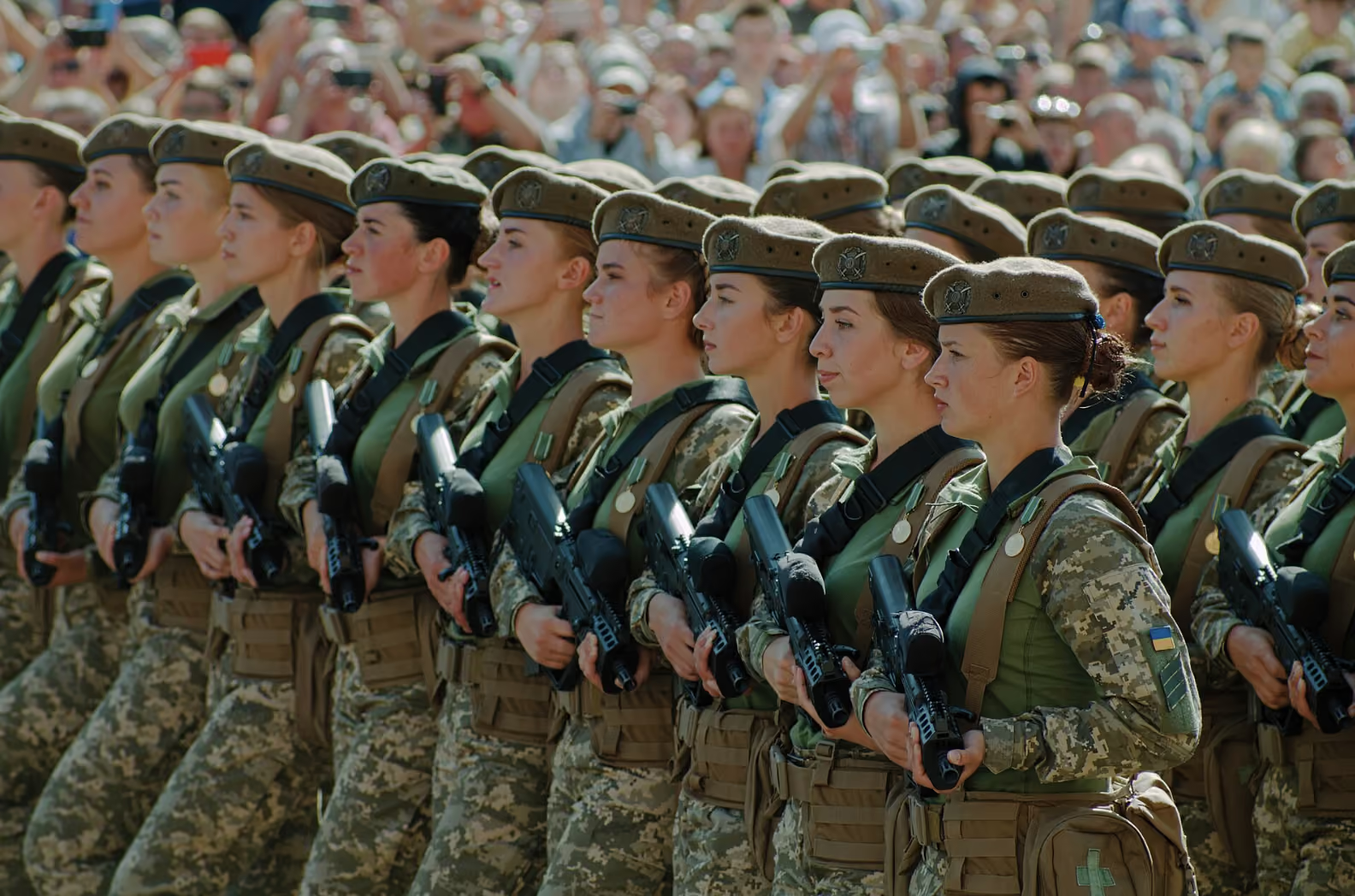
Ukraine highlights both the challenges and opportunities of creating more inclusive DDR systems. With women making up a growing share of the country's armed forces and millions expected to enter veteran support and reintegration programs after the war, policymakers have a critical opportunity to ensure women's service is recognized and supported. Advocates argue that women must be included not only in ceasefire and peace negotiations but also in the design, funding and implementation of DDR programs. By adopting a gender-responsive approach that addresses economic, social and psychological barriers, countries can strengthen post-conflict recovery, promote greater equality and build more sustainable peace. The growing consensus among peacebuilding experts is clear: when women are fully included in DDR processes, communities are better positioned for lasting stability and successful reconstruction.
To read the full story, see here
September 1, 2026
The Cost of Excluding Women Combatants From Demobilization Is High
September 1, 2026
As conflicts around the world continue to evolve, experts are calling for a fundamental rethink of disarmament, demobilization and reintegration (DDR) programs, with a stronger focus on the experiences and contributions of women. Traditionally used to help former combatants transition back into civilian life after war, DDR has become increasingly important in discussions surrounding conflicts in Ukraine, Gaza, Sudan and Lebanon. However, despite more women serving in frontline, leadership and support roles within armed forces and non-state groups, many DDR frameworks still rely on outdated assumptions that fail to fully recognize women's participation in conflict and their unique reintegration needs.
Women remain significantly underrepresented in DDR processes, both as beneficiaries and as decision-makers shaping these programs. Research shows that fewer than one-third of DDR initiatives meaningfully integrate gender considerations, while eligibility criteria and outreach efforts often disadvantage women, particularly those who served in intelligence, logistics or support roles rather than direct combat. As a result, many women either miss out on reintegration assistance or choose to self-demobilize to avoid stigma and discrimination. The consequences can be far-reaching, weakening community reintegration, reinforcing social inequalities and undermining the effectiveness and legitimacy of long-term peacebuilding efforts.
Ukraine highlights both the challenges and opportunities of creating more inclusive DDR systems. With women making up a growing share of the country's armed forces and millions expected to enter veteran support and reintegration programs after the war, policymakers have a critical opportunity to ensure women's service is recognized and supported. Advocates argue that women must be included not only in ceasefire and peace negotiations but also in the design, funding and implementation of DDR programs. By adopting a gender-responsive approach that addresses economic, social and psychological barriers, countries can strengthen post-conflict recovery, promote greater equality and build more sustainable peace. The growing consensus among peacebuilding experts is clear: when women are fully included in DDR processes, communities are better positioned for lasting stability and successful reconstruction.
To read the full story, see here
