


International Women’s Day: Creating Safe Spaces Through Mine Action
February 27, 2026
Part of our International Women’s Day series on women, peace and security.
Today, on International Women’s Day, we also recognize the critical yet often overlooked role of mine action in protecting women’s rights and mobility. Even after active conflict ends, explosive ordnance continues to kill or injure approximately fifteen people each day worldwide. These hazards restrict access to farmland, schools, markets and health facilities - disproportionately affecting women responsible for household and caregiving tasks.
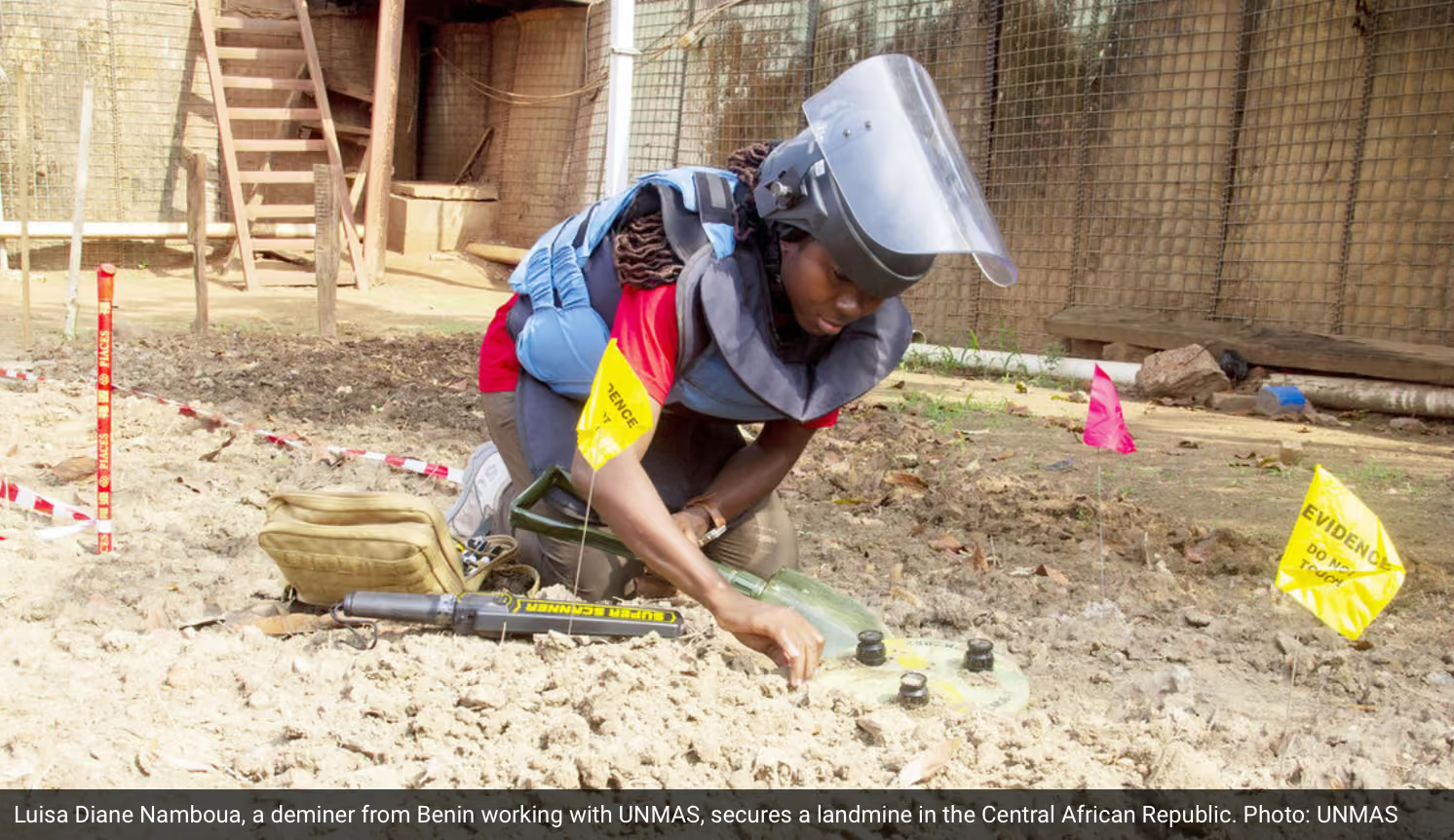
The United Nations Mine Action Service (UNMAS) has introduced minimum quotas to increase women’s participation in mine action, a historically male-dominated field. In the Central African Republic, Chief-Sergeant Laure Christelle Djimadoum-Narom-Ko became the first Central African woman deminer, working alongside Luisa Diane Namboua of Benin. Their work includes explosive ordnance risk education and the safe disposal of landmines and unexploded devices, directly enabling communities to move freely and safely.
Their leadership challenges entrenched stereotypes and demonstrates that technical peacekeeping roles are not reserved for men. By securing safe movement and reclaiming contaminated land, mine action restores access to livelihoods, markets and public life. This International Women’s Day affirms that investing in women — in courts, patrols, political processes and demining teams - is indispensable to building durable peace.
To read the full story, see here
February 27, 2026
International Women’s Day: Creating Safe Spaces Through Mine Action
February 27, 2026
Part of our International Women’s Day series on women, peace and security.
Today, on International Women’s Day, we also recognize the critical yet often overlooked role of mine action in protecting women’s rights and mobility. Even after active conflict ends, explosive ordnance continues to kill or injure approximately fifteen people each day worldwide. These hazards restrict access to farmland, schools, markets and health facilities - disproportionately affecting women responsible for household and caregiving tasks.
The United Nations Mine Action Service (UNMAS) has introduced minimum quotas to increase women’s participation in mine action, a historically male-dominated field. In the Central African Republic, Chief-Sergeant Laure Christelle Djimadoum-Narom-Ko became the first Central African woman deminer, working alongside Luisa Diane Namboua of Benin. Their work includes explosive ordnance risk education and the safe disposal of landmines and unexploded devices, directly enabling communities to move freely and safely.
Their leadership challenges entrenched stereotypes and demonstrates that technical peacekeeping roles are not reserved for men. By securing safe movement and reclaiming contaminated land, mine action restores access to livelihoods, markets and public life. This International Women’s Day affirms that investing in women — in courts, patrols, political processes and demining teams - is indispensable to building durable peace.
To read the full story, see here
