


Australia appoints first woman army chief, Lieutenant General Susan Coyle, for the first time in history
May 6, 2026
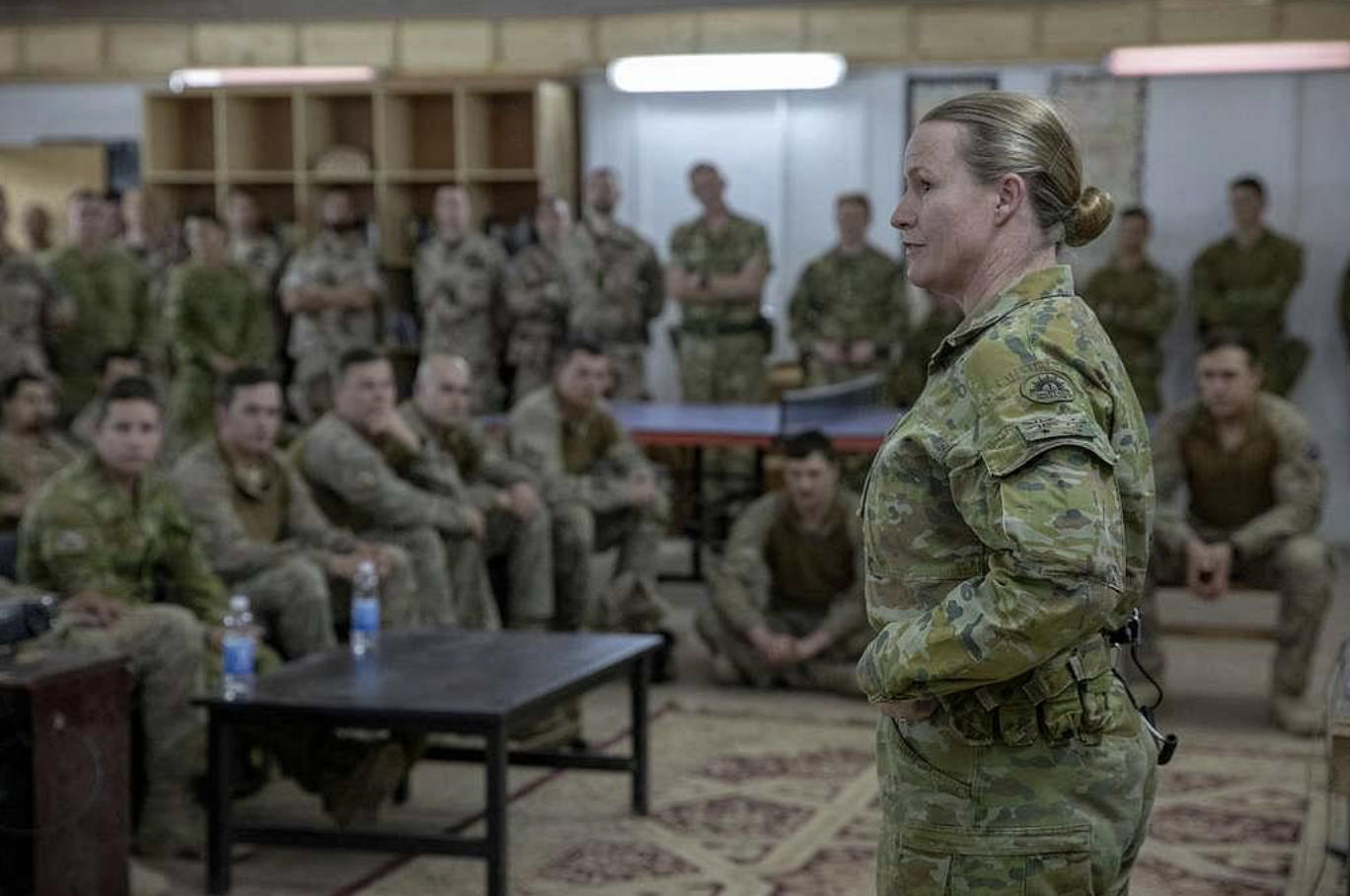
Australia’s decision to appoint Lieutenant General Susan Coyle as the next Chief of Army marks a watershed moment for women in the security sector, breaking a 125‑year barrier in one of the country’s most male‑dominated institutions. Coyle, whose nearly four‑decade career spans senior command roles in Afghanistan, the Middle East, and across Australia’s evolving cyber‑warfare landscape, represents a new chapter in the military’s push toward gender inclusion. Her elevation comes at a time when the Australian Defence Force is confronting allegations of systemic sexual harassment and discrimination, making her leadership symbolically and practically significant for women serving today.
For many women in uniform, Coyle’s appointment is more than a personal achievement, it is a signal that the highest levels of military leadership are no longer out of reach. Defence Minister Richard Marles underscored this when he recalled Coyle’s own words: “you cannot be what you cannot see.” With women currently making up about 21 percent of the ADF and only 18.5 percent of senior leadership roles, her promotion offers a visible pathway for future officers and aligns with the ADF’s goal of reaching 25 percent female participation by 2030. Prime Minister Anthony Albanese called the moment “deeply historic,” emphasizing its importance not only for the Army but for the broader national security community.
Coyle steps into the role as the Army undergoes major transformation, from long‑range strike capabilities to advanced drone systems and modern information warfare, areas where her experience is particularly relevant. Her appointment also sits within a broader reshuffle of Australia’s defence leadership, but it is her breakthrough that stands out as a milestone for gender equity in security institutions. As she prepares to assume command, Coyle embodies both the progress made and the work still ahead to ensure that women in the defence sector are not only present, but empowered to lead at the highest levels.
May 6, 2026
Australia appoints first woman army chief, Lieutenant General Susan Coyle, for the first time in history
May 6, 2026
Australia’s decision to appoint Lieutenant General Susan Coyle as the next Chief of Army marks a watershed moment for women in the security sector, breaking a 125‑year barrier in one of the country’s most male‑dominated institutions. Coyle, whose nearly four‑decade career spans senior command roles in Afghanistan, the Middle East, and across Australia’s evolving cyber‑warfare landscape, represents a new chapter in the military’s push toward gender inclusion. Her elevation comes at a time when the Australian Defence Force is confronting allegations of systemic sexual harassment and discrimination, making her leadership symbolically and practically significant for women serving today.
For many women in uniform, Coyle’s appointment is more than a personal achievement, it is a signal that the highest levels of military leadership are no longer out of reach. Defence Minister Richard Marles underscored this when he recalled Coyle’s own words: “you cannot be what you cannot see.” With women currently making up about 21 percent of the ADF and only 18.5 percent of senior leadership roles, her promotion offers a visible pathway for future officers and aligns with the ADF’s goal of reaching 25 percent female participation by 2030. Prime Minister Anthony Albanese called the moment “deeply historic,” emphasizing its importance not only for the Army but for the broader national security community.
Coyle steps into the role as the Army undergoes major transformation, from long‑range strike capabilities to advanced drone systems and modern information warfare, areas where her experience is particularly relevant. Her appointment also sits within a broader reshuffle of Australia’s defence leadership, but it is her breakthrough that stands out as a milestone for gender equity in security institutions. As she prepares to assume command, Coyle embodies both the progress made and the work still ahead to ensure that women in the defence sector are not only present, but empowered to lead at the highest levels.
